 HEB
HEB ZIM
BALI
STA
BALI
STA
We'd love to hear from you. Please provide your details and let us know how we can help. Our team will be in touch shortly.
Shivat Zion 36, Tel Aviv
+972 (0)52 584 0569
info@zimbalista.com
Tue-Thu: 11:00 AM - 4:00 PM
Fri: 09:00 AM - 1:00 PM
4.6.26-4.7.26

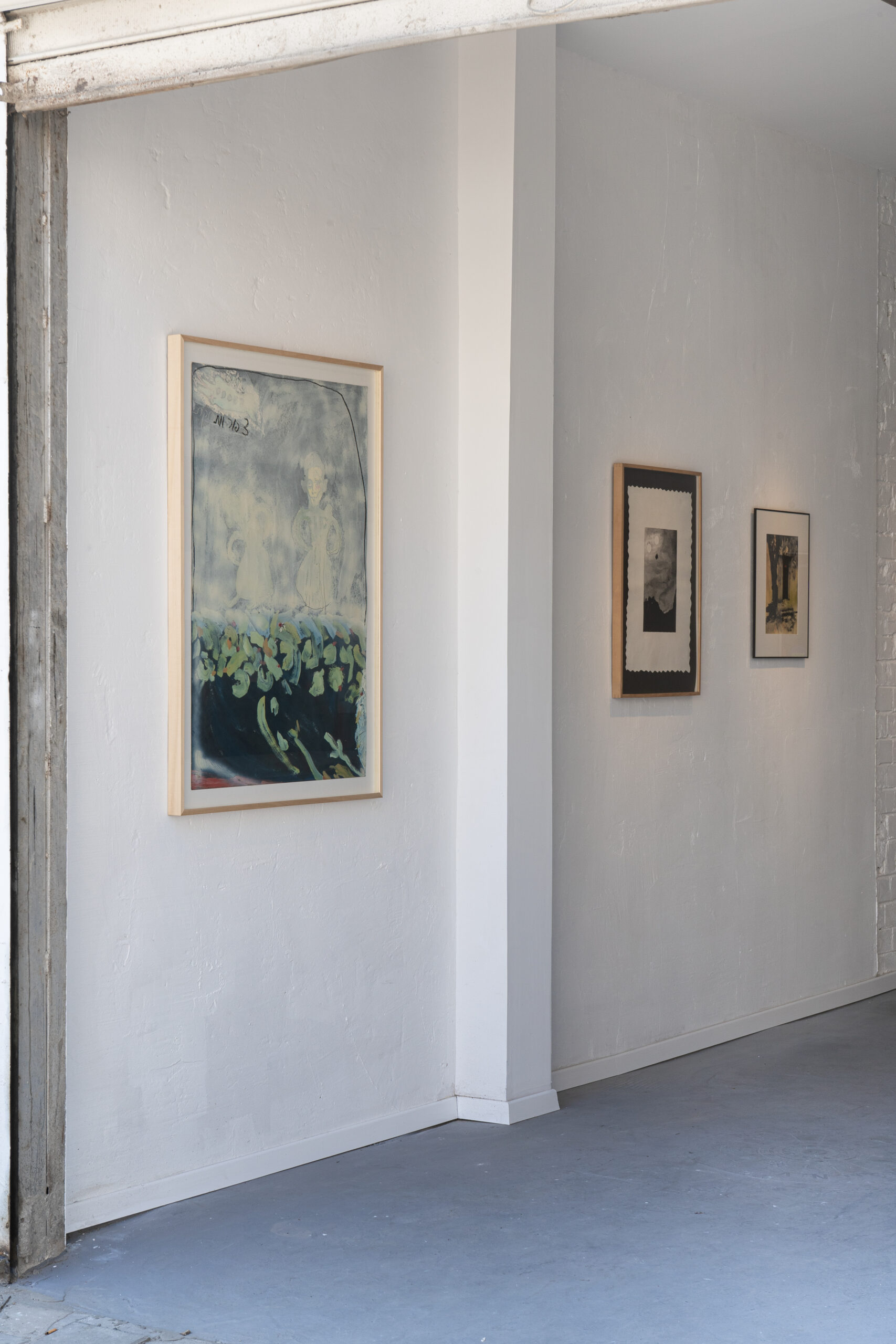
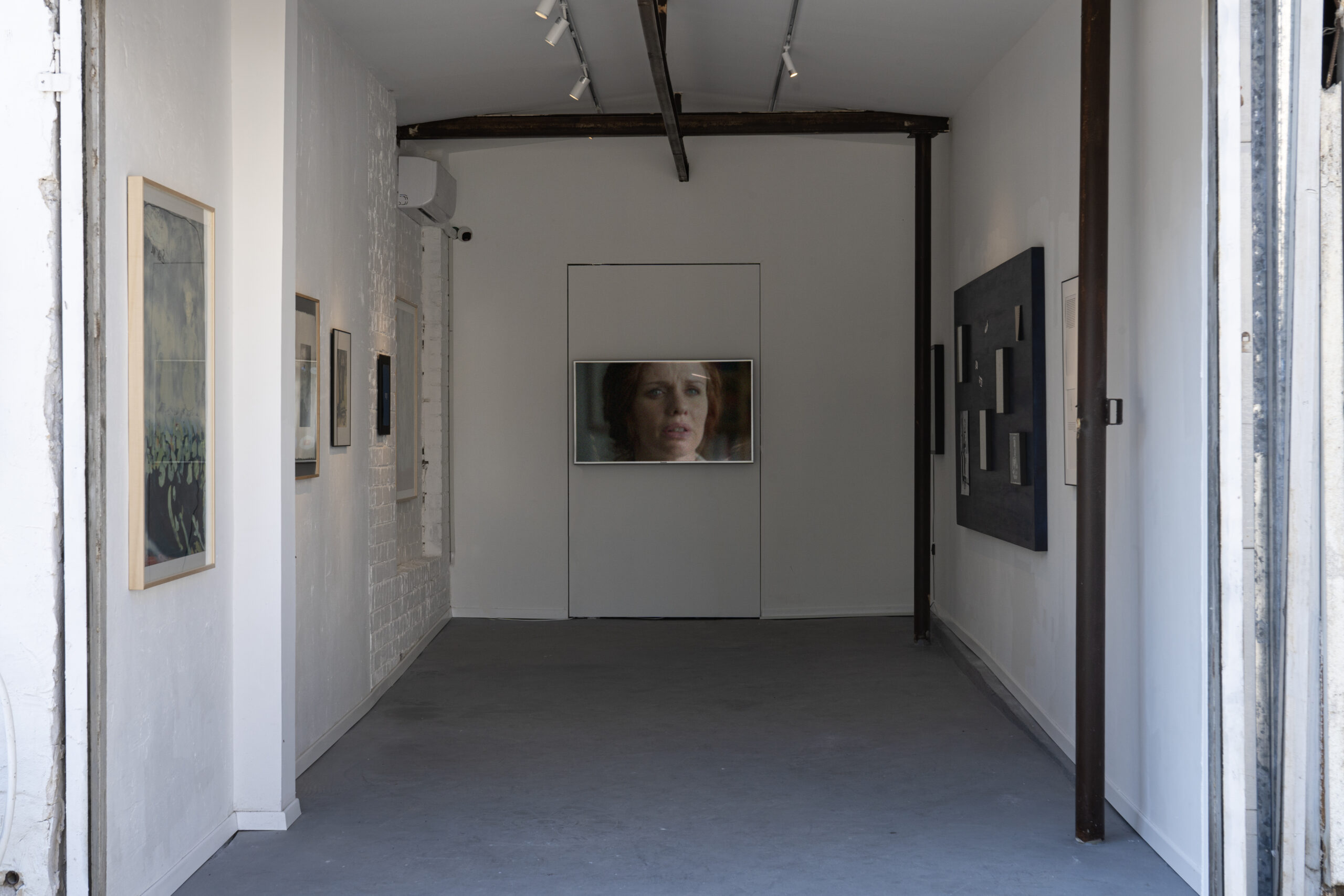
Dov Gallery, a new exhibition space, opens its doors with Call and Response, a duo exhibition featuring two artists from different generations: Roee Rosen and Ariel Gil Greenwald.
The collaborative process began with a surprising creative response by Gil Greenwald (a former student of Rosen) to his video monologue Explaining the Law to Kwame (2020), different, shorter version of which appears in his feature Kafka for Kids (2022). Explaining the Law presents a lecture by a legal theorist, Ada Binyamini, who examines how Israeli military law in the occupied territories tackles the definition, legal prosecution, and punishment of Palestinian children. Throughout the monologue, the speaker drifts into reflections on aging, illness, and sexuality. In response, Gil Greenwald created a text-image piece written from the perspective of the speaker’s young lover, who is briefly mentioned during the monologue. In contrast to the emotional and political intensity of the monologue, Greenwald’s text is characterised by a dry, almost bureaucratic language, detailing mundane facts, such as the nutritional supplements Ada takes before bed.
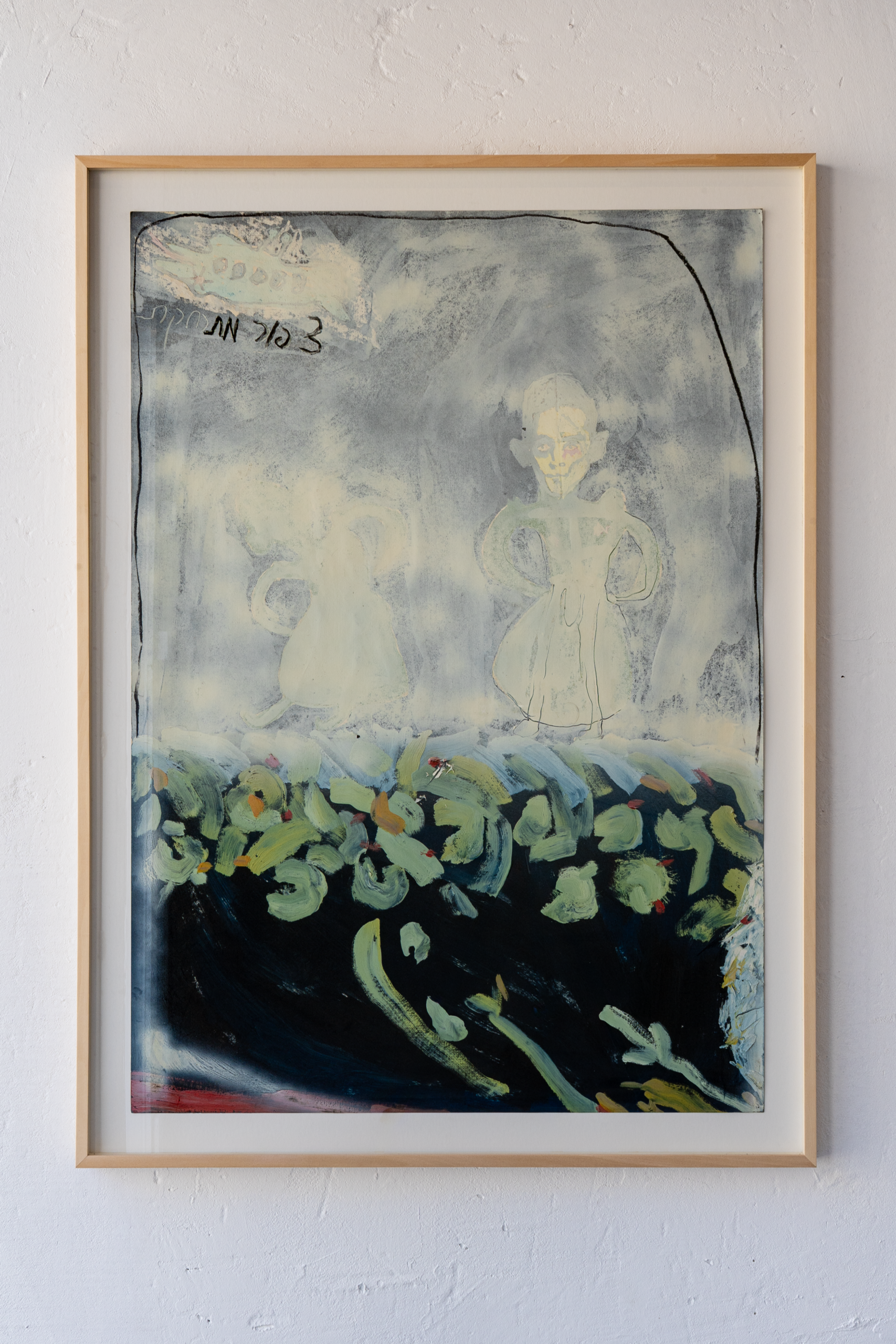
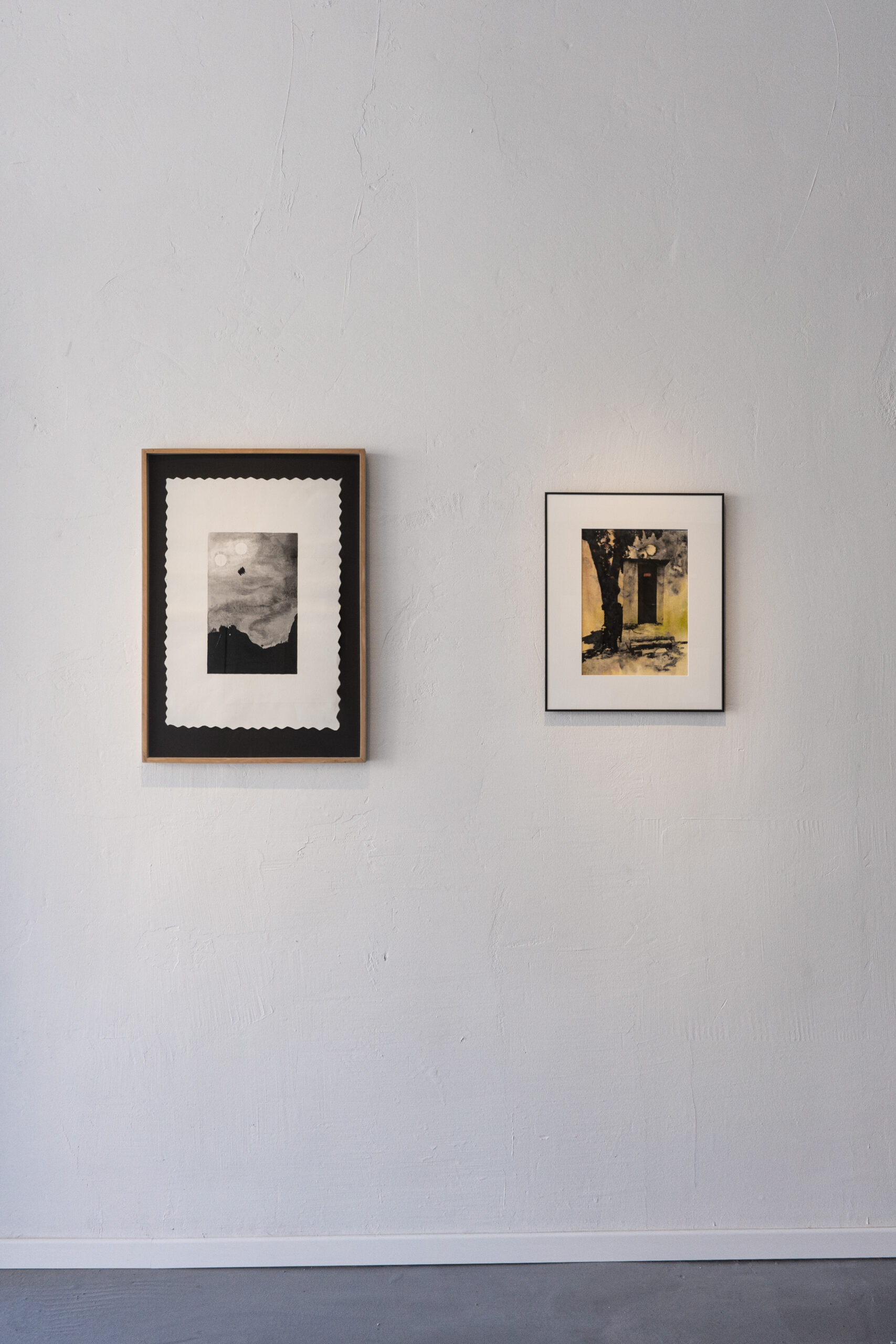
From there, Gil Greenwald chose to continue this artistic “Call and Response” approach, and focus on a thread that runs through decades of Rosen’s projects and that also preoccupies her practice: the question of childhood, adolescence, and old age, which inherently embody the possibility of death and the anxiety surrounding it. Works created years apart, from entirely different contexts, converge around the same concerns. For instance, Gil Greenwald selected two paintings Rosen made in 1985 at the age of 22, But Childhood and A Bird Flaying Away. In response to But Childhood, Gil Greenwald created the work Wonder Kid. This piece also hints at the two moons motif, which appears in several works throughout the exhibition: Live and Die as Eva Braun #33 (Two Moons and a Mustache), Wooden Door, Sleep, and the text-image piece that prompted the process, The Young Lover. The nocturnal dimension of the moons serves as an organising principle for the exhibition, with a particular emphasis on the moments right before falling asleep, which can also be a moment of an encounter between adult and child around a text (a bedtime story, which often contains elements and descriptions “not suitable for children”).
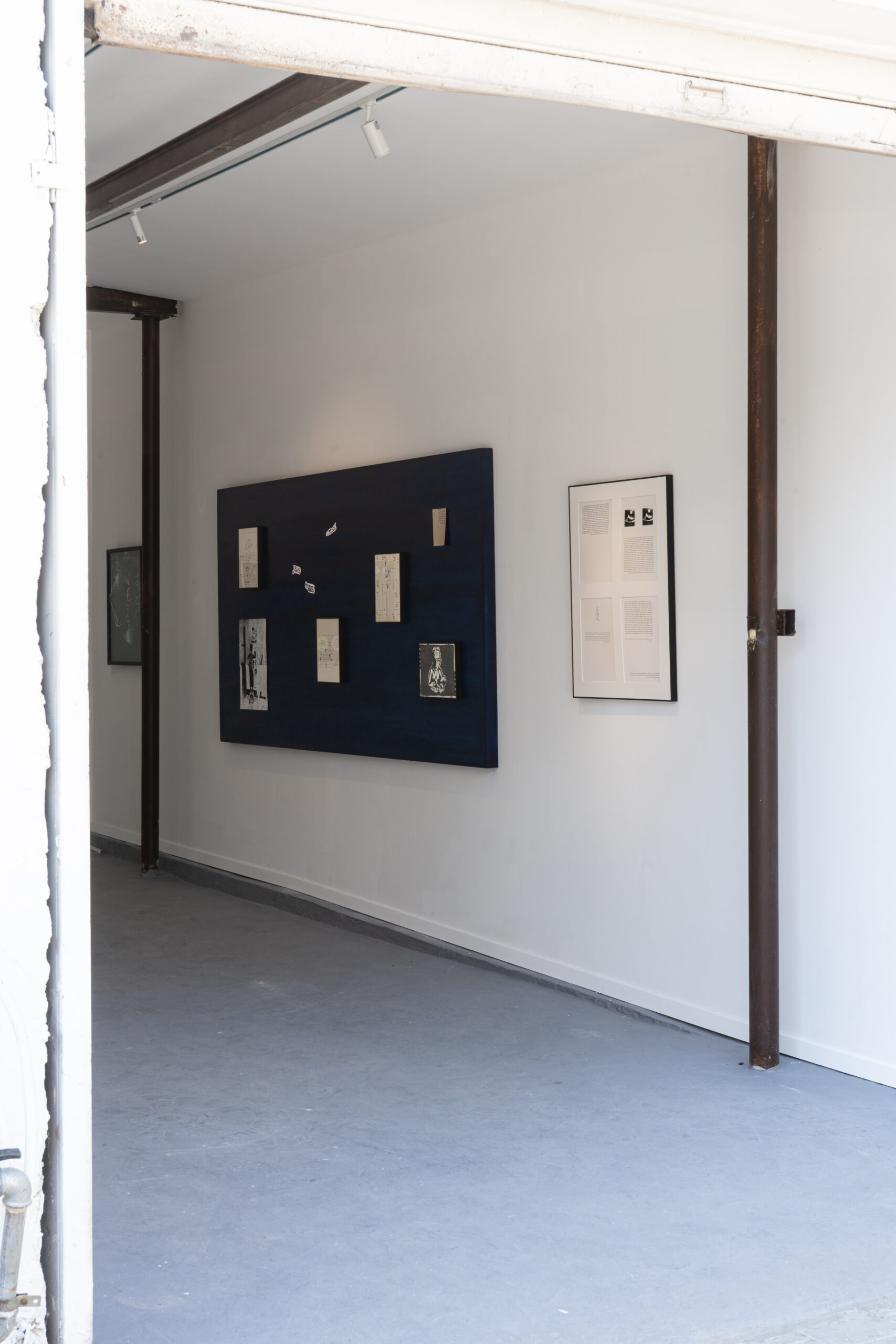
Following this logic, Greenwald created a blue board which can be perceived as either the sea or the sky at night, as well as a chalkboard (an educational context that itself frequently brings together adult and child). Featured on the board are four drawings by Rosen that were excluded from the final version of his artist book, The Blind Merchant (1989–1991). The book is not only a rendition of Shakespeare’s The Merchant of Venice from Shylock’s vantage point; it also provides a prologue to the play and a private history for Shylock: before becoming a usurer, Shylock was a glass merchant until a pogrom-like event during which his wife was raped and murdered, and his eyes were gouged. Consequently, all drawings depicting scenes where Shylock is present on stage are “blind drawings”, executed with closed eyes. Alongside them is one “seeing” drawing, in which Portia embraces her lover, Bassanio, who appears as an adult-baby. While the original drawings from the book have been frequently exhibited, published in the book’s edition, and are currently in the collection of the Centre Pompidou, the rejected drawings chosen by Gil Greenwald have never been shown before.
Also displayed on the board are works by Gil Greenwald: Planning and Warning, which echoes an image from Rosen’s book Lucy Is Sick, as well as his personal biography; Paper Airplanes (childish renditions of fighter jets silkscreened on paper); and the work A Kid Stealing Food from the Fridge. The original image Gil Greenwald based this last piece on was taken from the computer game “The Sims”, which was immensely popular in the 2000s and in which children created and managed virtual families and homes. Ultimately, the chalkboard becomes something of a “vision board”, an object typically associated with planning future dreams and actions, a process that so often takes place in pre-sleep fantasies.
Photos: Hadas Hay